
Portugal Cakes
1 cup flour
1 cup sugar
1/8 teaspoon salt
1 cup (2 sticks) unsalted butter
1 teaspoon rosewater or orange flower water
¼ teaspoon mace
2 eggs plus 1 egg yolk
1 tbsp. sherry (original sack)
1 cup currants
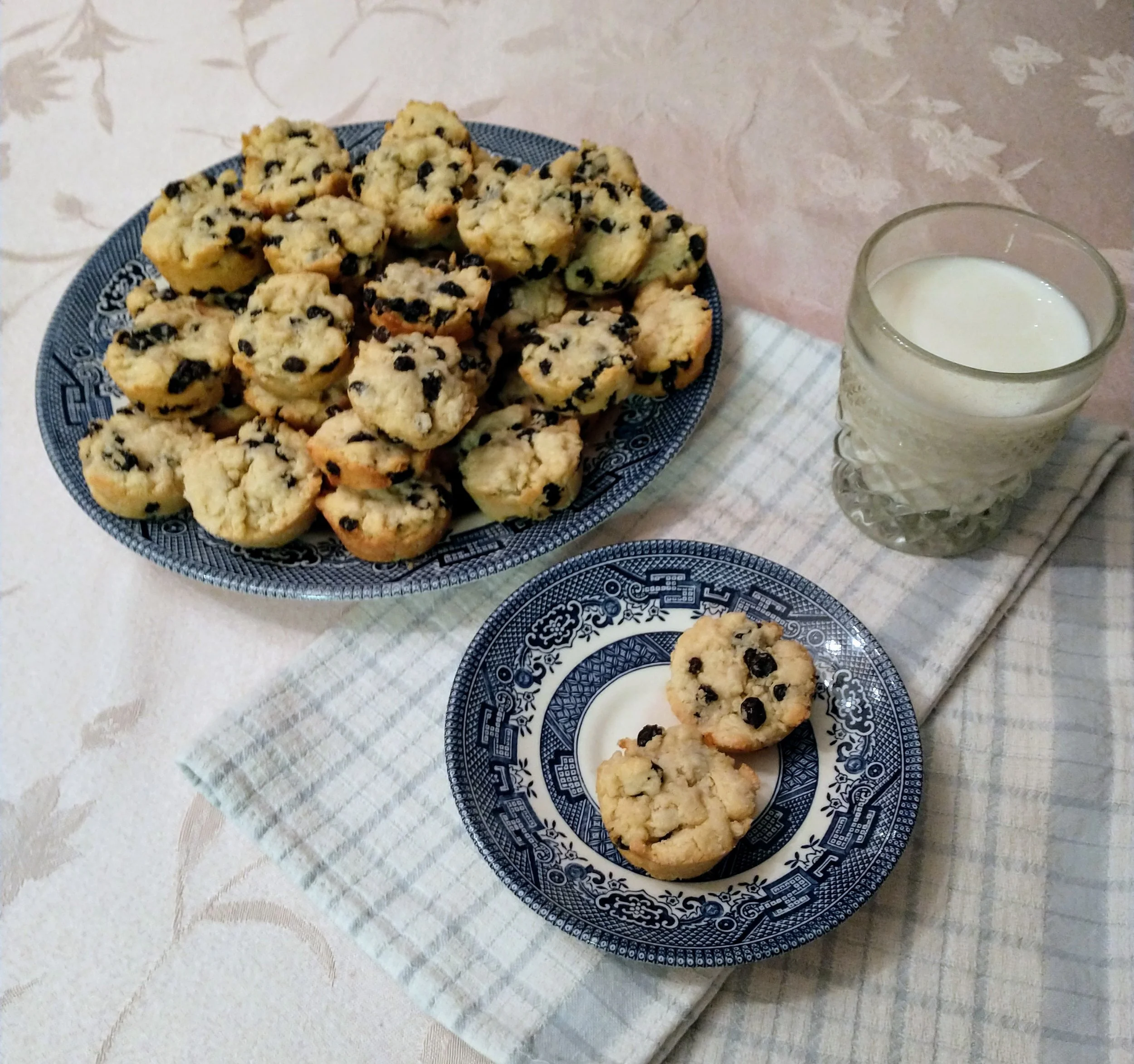
In Treacherous Shoal, Portugal cakes are a favorite item with the Demarest family. Miss Jane, for example, serves them to the Ladies Benevolent Society when they visit.
Portugal cakes are small and dense, with a distinctive 18th century flavor resulting from the use of flower water. They are perfect for a tea or any occasion that requires a simple, easy to handle sweet.
Ingredients
Preheat oven to 350°. You can bake the cakes in small cupcake tins. Grease the cups or use paper cups.
Whisk together the flour, sugar, mace, and salt.
Cream the butter and flower water together until light and fluffy.
Blend half of the flour mixture into the butter mixture. Blend in the the eggs and sherry. Add in the rest of the flour mixture. Last, mix in the currants until they are evenly distributed.
Spoon the dough into the pans and level. They won’t rise much, so you can fill the compartment almost full.
Bake 12-14 minutes for mini-cupcakes, 14. A knife inserted in the middle should come out clean. The cakes should be firm to the touch and golden brown around the edges. Let cool them cool in the pans for a few minutes, then remove to a wire rack. Makes some 18-32 cakes
Directions
Notes
Another popular 18th century recipe brought to the colonies from England. The name may come from the use of sack, a sweet wine originating in Portugal, in the recipe. It was clearly popular in South Carolina, for Harriott Pinckney Horry incuded it among her 1770 receipts, and Sarah Rutledge, writing in 1847, offered the very same recipe. This one comes from the Cooking in the Archives website, updating a receipt found in the University of Pennsylvania Archives, very similar to the Carolina version.
For variations, Hannah Glasse suggested that cooks might want to try leaving out the currants. She also suggested that replacing the flour with almonds, presumably ground, produced a superior cake.